Meet the Italian team
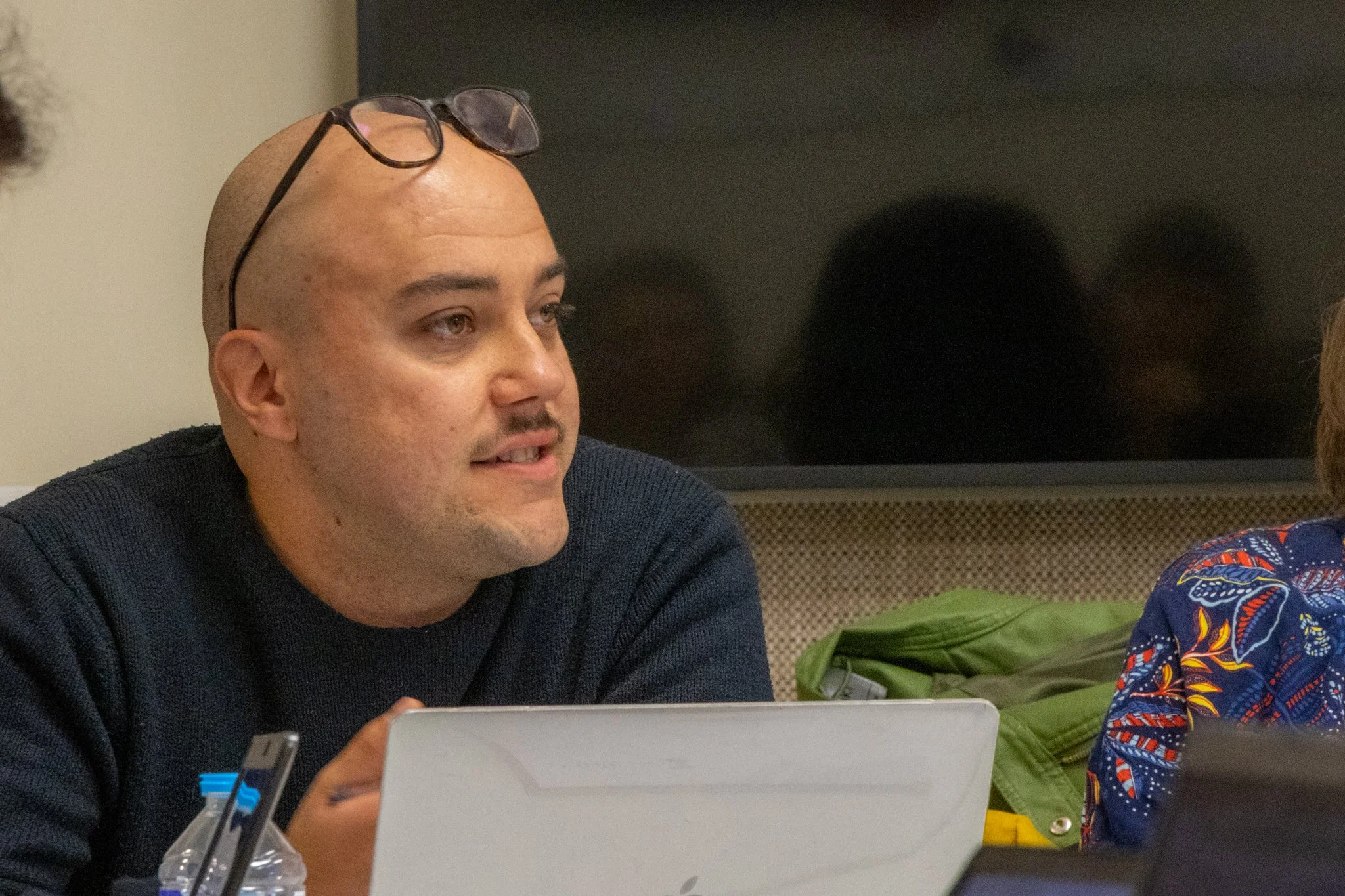
Davide Rocchetti is interviewed on behalf of the Italian research team. He is a postdoctoral researcher at the University of Bologna and responsible for the team’s qualitative research. His research interests focus on protests, social movements, and political sociology. Before joining the University of Bologna he completed a PhD in Sociology and Social Research at the University of Trento.
What movements are your group researching?
First, we focused on protests that emerged in opposition to a proposed bill that aimed to limit and criminalize protest rights in Italy. This large-scale mobilization developed from summer 2024 onward and contested the legislative process surrounding the bill, which was ultimately approved in June 2025. The legislation, referred to as the “Security Decree”, was proposed by the far-right government that has been in power in Italy since 2022. It is part of a broader trajectory of protest criminalization often pursued through similar “security” laws. In this case, the 2025 Security Decree introduced new criminal penalties and aggravated existing ones for various protest actions typical of collective action in Italy, such as road blockades, while broadening police powers. Placing significant restrictions on the freedom to protest in Italy, it specifically targeted environmental and housing rights movements, as well as trade unions. The mobilization contesting the law lasted about a year and was composed of a diverse range of actors, varying in their degree of institutionalization and radicalness. Even after the law was passed, part of the mobilization continued, addressing broader concerns about protest rights and restrictions on freedom of protest in Italy, as well as the new relationships forged between these actors through their shared opposition to the decree.
Second, we decided to focus on far-right mobilization, specifically youth organizations within the far-right field. This includes political party youth wings, as well as student and university-based far-right organizations, which are often connected to the major governing party. Access was more difficult in this case, and we conducted fewer interviews. Nevertheless, we were able to study the organizational side of this field, which remains largely unexplored. Unlike the first case, this one is not centered on a specific contention. Instead, it focuses on the actors themselves.
Has anything surprised you about what you've found so far?
On the one side, the strength of Italian civil society is always impressive, and it is so especially in this recent context of democratic erosion. What stood out in this case was the diversity and heterogeneity of the actors involved. We interviewed very different types of participants with very different approaches to collective action. Some were more radical, while others were much more institutionalized. Yet they were pursuing the same objective. They attended the same assemblies and marched together. As a researcher, it was very interesting to encounter such different trajectories of activism joining forces against the same piece of legislation.
On the far-right side, how much activists reference liberal democracy, demonstrating their conviction that their actions fall within the boundaries of liberal democracy and even strengthen it. At the same time, many of the positions associated with their organizations, as well as with the governing parties they are connected to, contain illiberal elements and various forms of discrimination. This creates a tension between their threats to the principles of liberal democracy, as well as their role in unfolding autocratization processes, and how they understand and frame their activity within that framework.
Why do you think it's important to study protest culture in relation to democratic development?
In the Italian case, it is crucial because it helps us understand the health of a liberal democratic system. Freedom to protest and a vibrant protest culture are deeply connected to democratic vitality. In a country where conflict and contestation are accepted as part of the democratic process, protest can be seen as a sign of a strong democratic system. By contrast, when conflict is suppressed or opportunities for protest are restricted, that can be a serious warning sign.